How to Spot a Fake Grading Slab

A graded card's value sits in its label. Labels can be copied. Here is the verification order that catches most fakes, and the one attack it does not catch.

Why Fake Slabs Exist

Grading turns a card into a claim: this is a real card, it is in this condition, and a company with its reputation at stake says so. Buyers pay a large premium for that claim.

The premium is therefore attached to a piece of printed paper inside a plastic case. That is the vulnerability, and it gets attacked in three distinct ways.

The Checks That Catch Case-Level Fakes

Run these in order. Each one is cheap, and together they defeat the first two categories above.

Why Resealed Cases Beat All of That

Against a resealed holder, every check above can pass, because none of it was faked. The holder came from the grading company. The label was printed by the grading company. The hologram is genuine. The cert number resolves to a real record, because a real card was submitted and graded.

What changed is the card inside. It was removed, and a different one took its place.

This is the structural limit of packaging verification: it proves the packaging is real, and packaging is the one part of the product that carries no information about the card. Once the case is genuine, the only checks that still do any work are card-level checks. Does this card match this label? And is this card genuine on its own terms?

The label-to-card match is the cheapest of those, and it catches careless swaps immediately. It does not catch a swap between two superficially similar cards, and it does not help at all when the card inside is a good counterfeit.

What Settles the Question

The card itself, measured at material level.

A graded holder blocks almost every hands-on test a collector would normally run. You cannot feel the cardstock, you cannot examine the edges directly, and you cannot check how the card bends. What remains accessible is measurement through the plastic: paper chemistry, ink response, and the internal structure of the card.

That is also why fakes concentrate where they do. Reproducing artwork and finish is a solved problem. Reproducing the internal material structure of a card is not, and the holders that survive case-level verification are exactly the ones where material testing is the only layer left.

A Practical Routine

Before buying any graded card above pocket money, in this order.

1. Cert number, on their site

Look it up directly on the grading company's own website and read the record. Do not follow a link from the listing.

2. Label against card, field by field

Year, set, card number, subject, parallel. Any mismatch is decisive, so check this before anything else that costs time.

3. Holder and label construction

Typography, hologram behaviour under a tilted light, edge seams, glue residue, plastic cloudiness, flex. Look for anything that suggests the holder was opened.

4. Then check the card, not the packaging

All of the above verifies the holder. Resealed cases pass it. Material-level measurement of the card is what remains when the packaging checks out and the answer still matters.

5. Buy with protection

Use a payment method with a dispute process, keep the listing, and inspect on arrival rather than after the return window.
Join the Waitlist
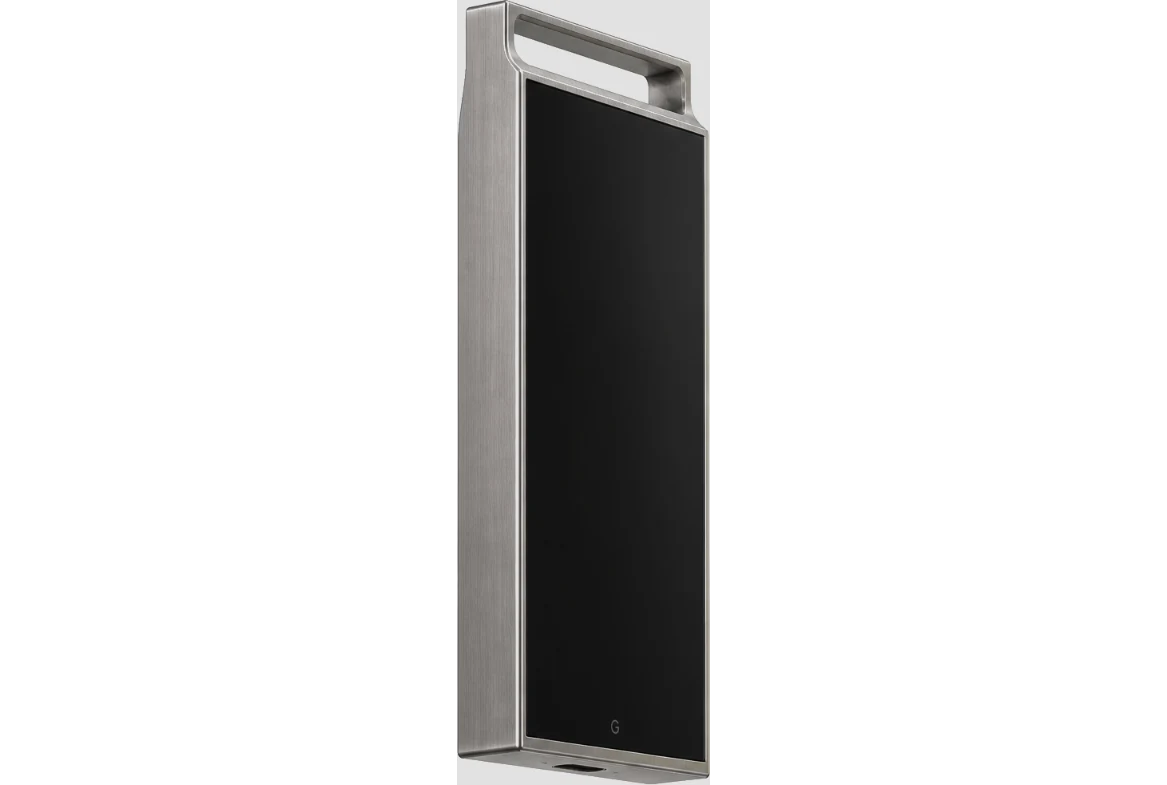
GRADEX spectral authentication device, side view

Related Guides

The Bottom Line

Verify the cert number, match the label to the card, and inspect the holder. That defeats fabricated slabs. It does not defeat a genuine holder with the wrong card inside, and that is the attack that costs the most money. For anything expensive, check the card itself.

Reserve GRADEX →